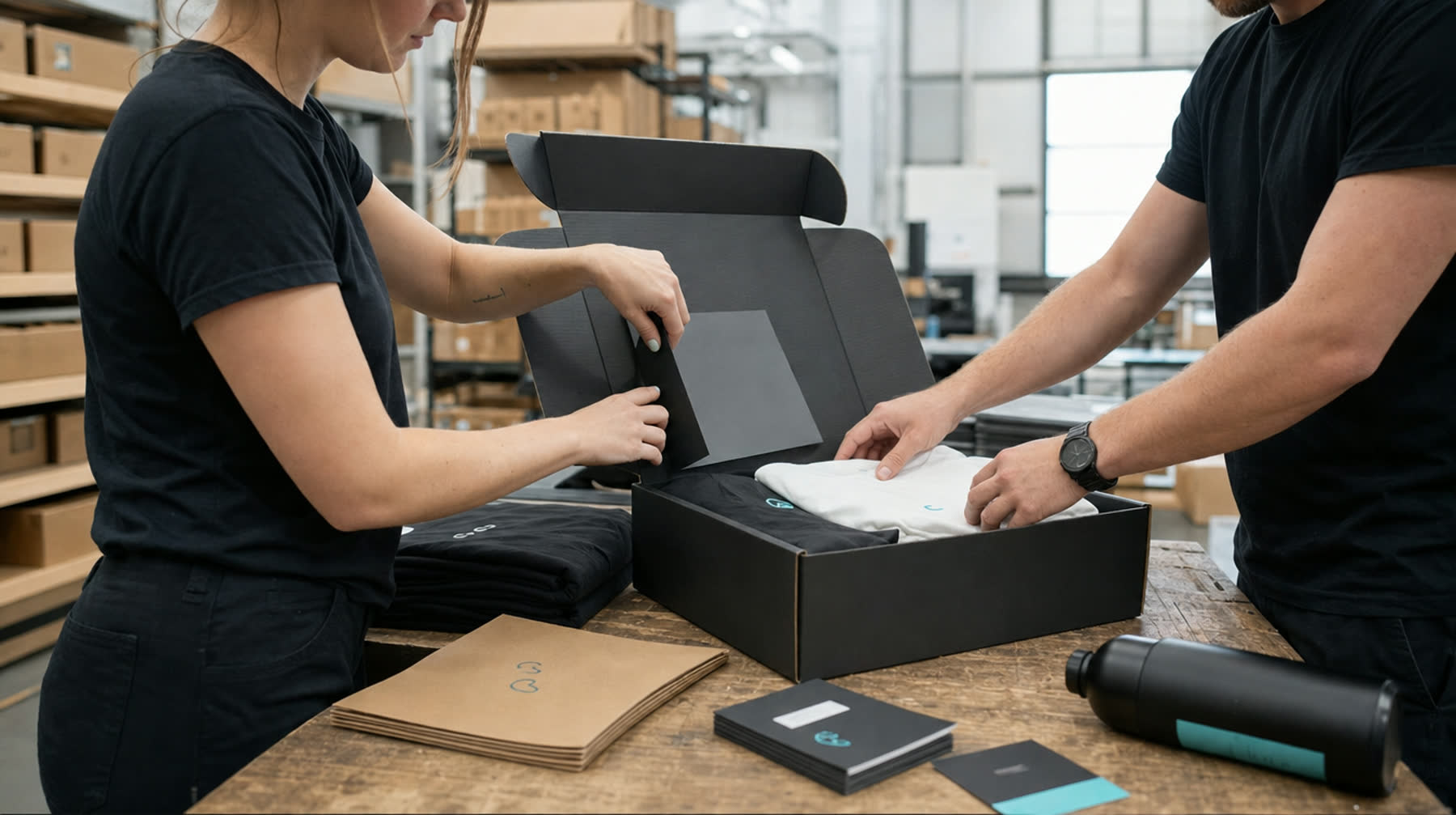
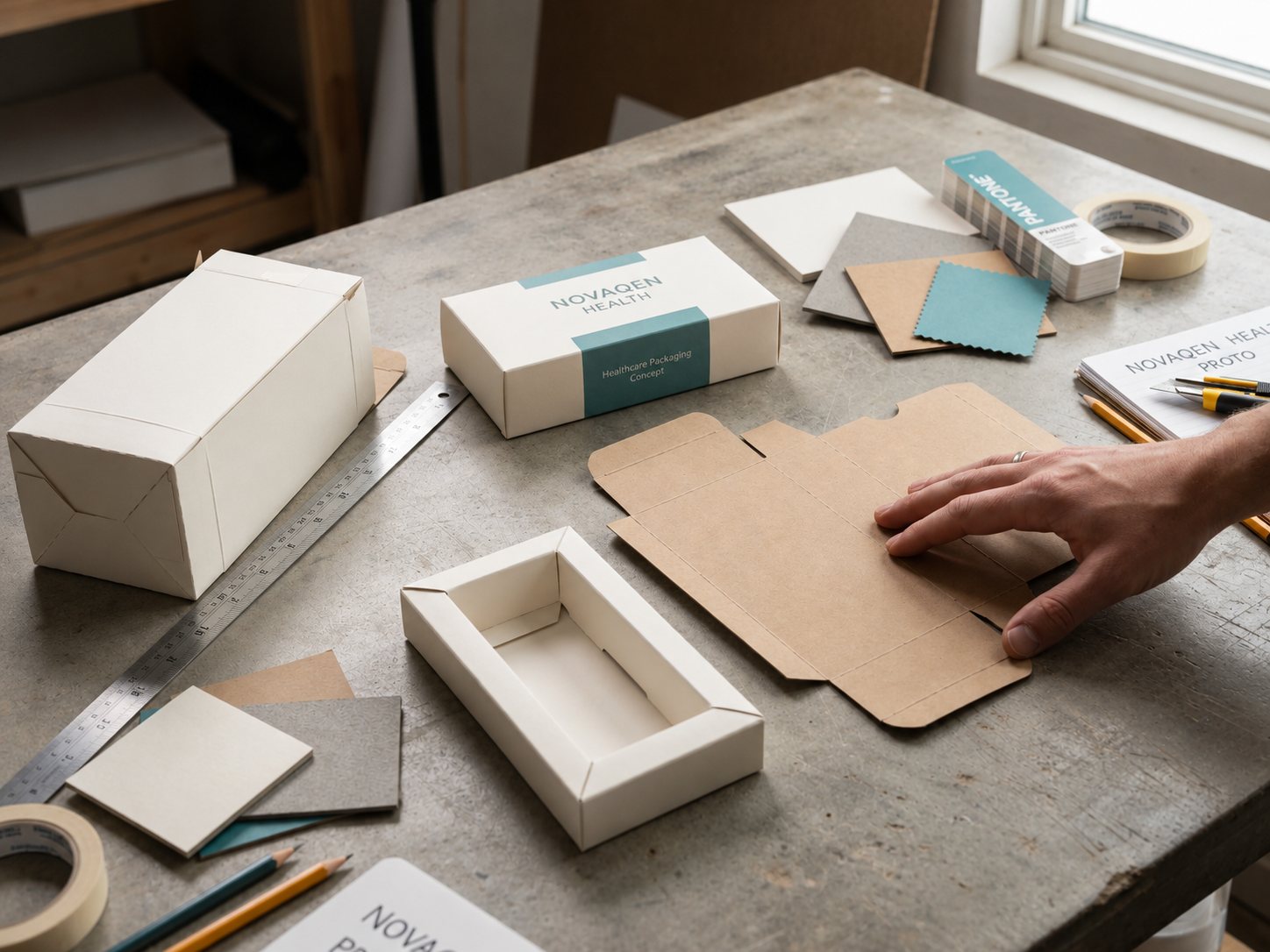
Ask ten suppliers for sustainable packaging and you will get ten different answers, because there is no single standard the phrase refers to. Recycled content, recyclability, certified sourcing, reduced material and reusability are separate properties, and a pack can have any combination of them. Getting the result you actually want starts with deciding which of those properties matter for the product and the audience.
Recycled, recyclable and certified are not the same thing
Recycled packaging is made from recovered material. Recyclable packaging can be reprocessed after use — which depends on the material and on the recycling facilities where the pack ends up. Certified material, such as FSC-certified board and paper, means the forest-based content is responsibly sourced and traceable through the supply chain. None of these automatically implies the others, so a brief that just says 'eco-friendly' leaves the most important decisions to chance.
Start with the material, not the message
Board-based formats — cartons, presentation boxes, sleeves and wraps — can often be specified without plastic components, and certified or recycled boards are available across a range of price points. Where a product needs protection that usually relies on plastic, paper-based inserts and fitments are worth exploring at the prototype stage, when the structure can still change. A pack built from a single material is also simpler for the recipient to recycle than one that bonds board, film and foam together.
Right-sizing is the boring win
The least glamorous improvement is often the biggest: a pack designed around the actual product uses less board, less void fill and less air in transit than a stock size with filler. Fixing the full contents list first, including the leaflet and the returns label, is what makes a right-sized structure possible.
Read the small print on compostable claims
Compostable and biodegradable materials break down under specific conditions — often industrial composting rather than a home compost heap or general waste. If the audience is unlikely to have access to the right facility, a recyclable board the recipient can put in their usual collection is frequently the more honest choice. Any claim printed on the pack should match how the material behaves in practice.
Expect the cost answer to be a number, not a rule
Whether a more sustainable specification costs more depends on the material, format, finish and quantity — not on the label. Certified and recycled boards sit at a range of price points, and the only reliable answer is a quotation against the actual specification. Ask for the comparison: the same pack in a standard board and in the certified or recycled option, so the difference is visible.
Ask what your supplier can evidence
Accreditations are the difference between a claim and a fact. Cyan holds FSC certification (licence C004309), so board and paper can be produced through certified supply chains where a project requires it, and operates an ISO 14001 environmental management system across production. Whatever the brief, the specification is agreed per project — so the sustainable option is priced and prototyped, not promised.