A corporate gift box price is the sum of the box, what goes inside, how it's finished and how it gets to the recipient. Understanding which of those moves the number most makes it easier to brief, compare quotes and decide where to spend.
1. Construction
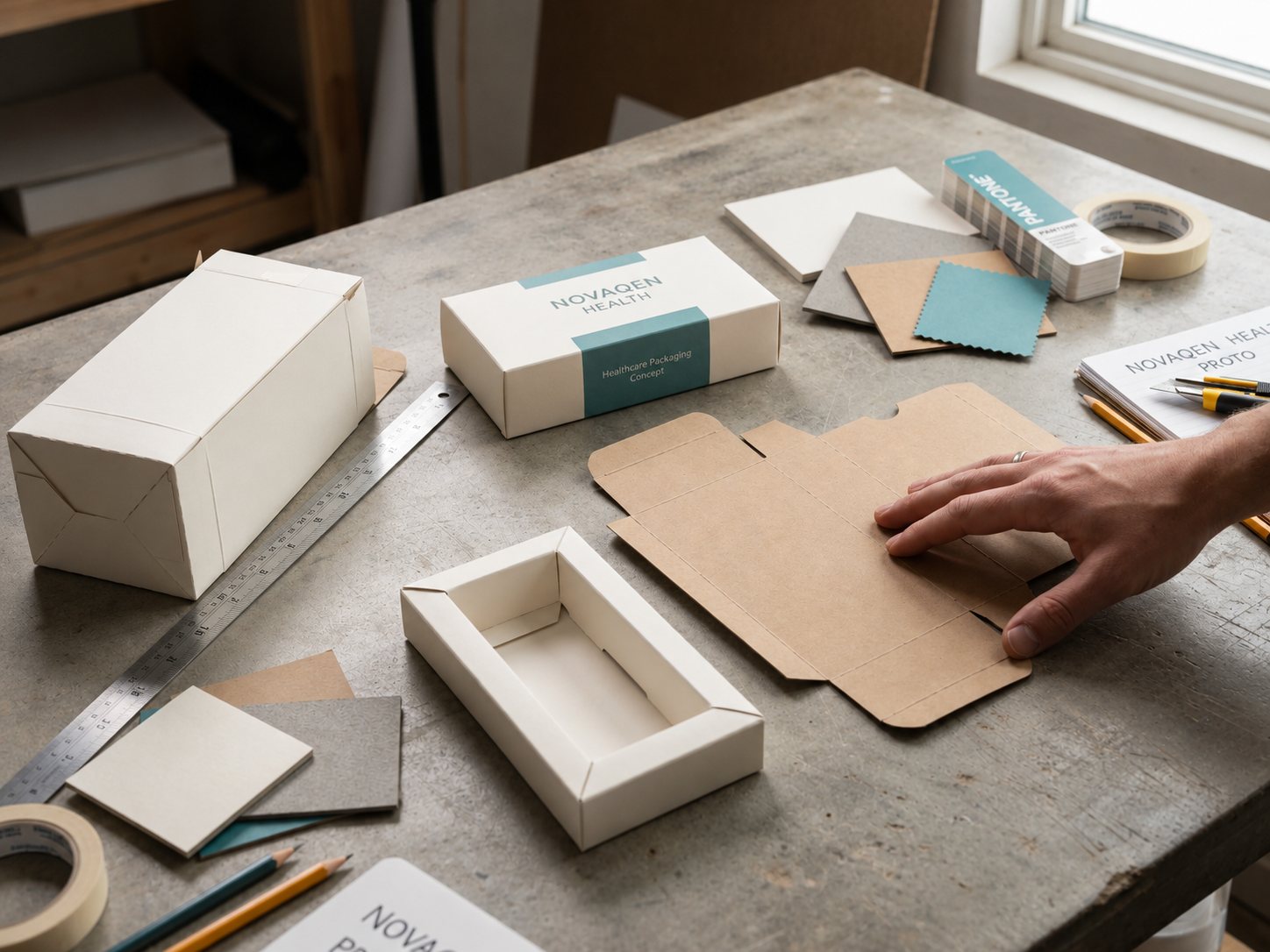
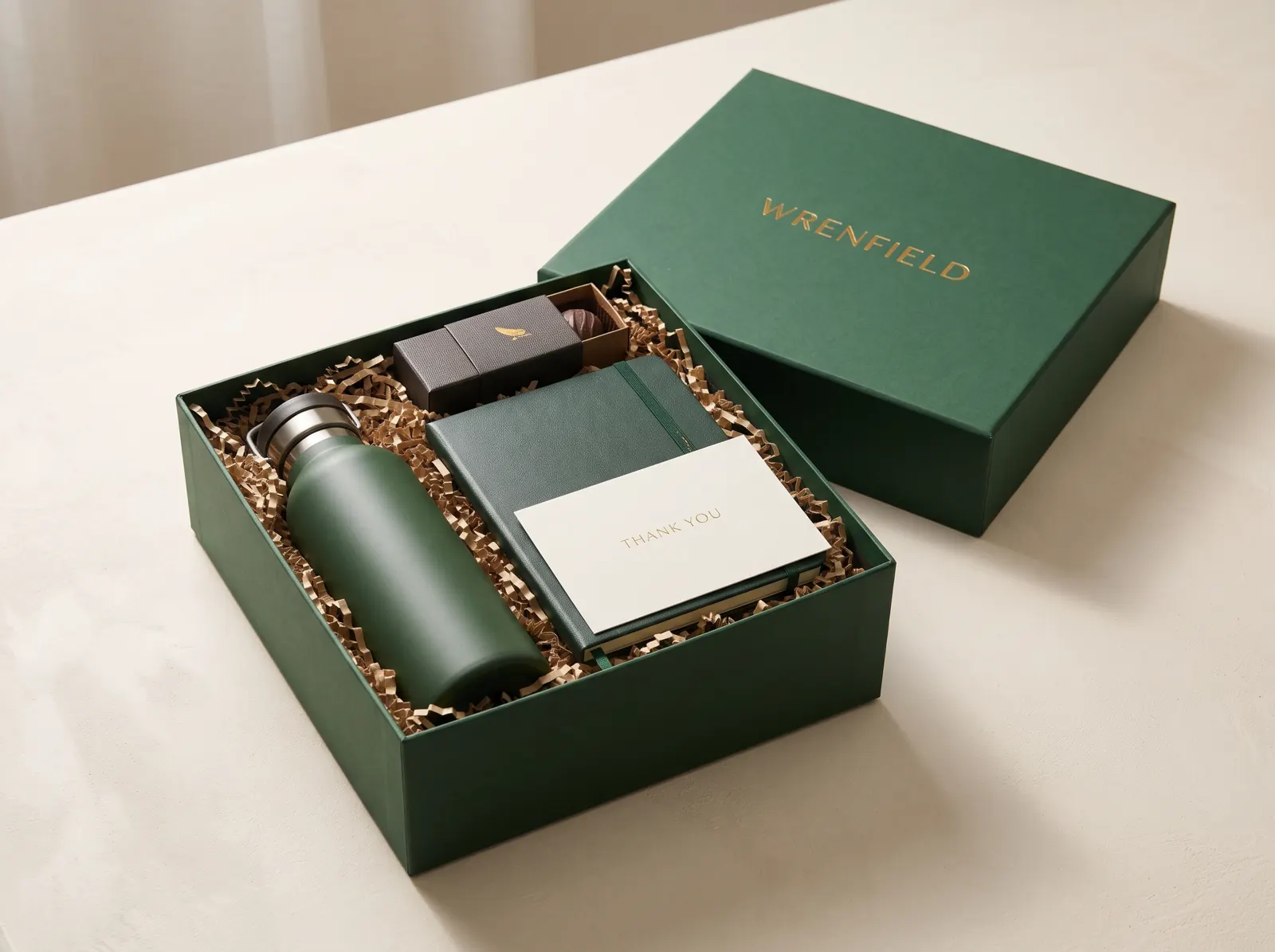
Rigid boxes cost more per unit than folding boxes, because of the board weight, the wrapping and the hand assembly. Magnetic closures, drawers and hinged lids add components and labour. A folding box with a printed sleeve can give a premium look for less, particularly on larger runs.
2. Quantity
Set-up costs — cutting tools, print plates, foil dies — are paid once and spread across the run. That is why unit prices fall as quantity rises, and why a realistic range helps more than a guess: it shows where the price breaks sit.
3. Print and finish
Full-colour print, foil blocking, embossing, spot UV and soft-touch laminates each add a step. One well-chosen finish usually does more than several competing ones. Printing the inside of the box adds a pass of its own.
4. Inserts and contents
The insert is cut to the contents, so the contents need fixing first. Foam, card and moulded pulp are priced differently, and the gifts themselves are often the biggest single line. Branded items, premium and designer products, and printed cards each carry their own cost.
5. Packing and delivery
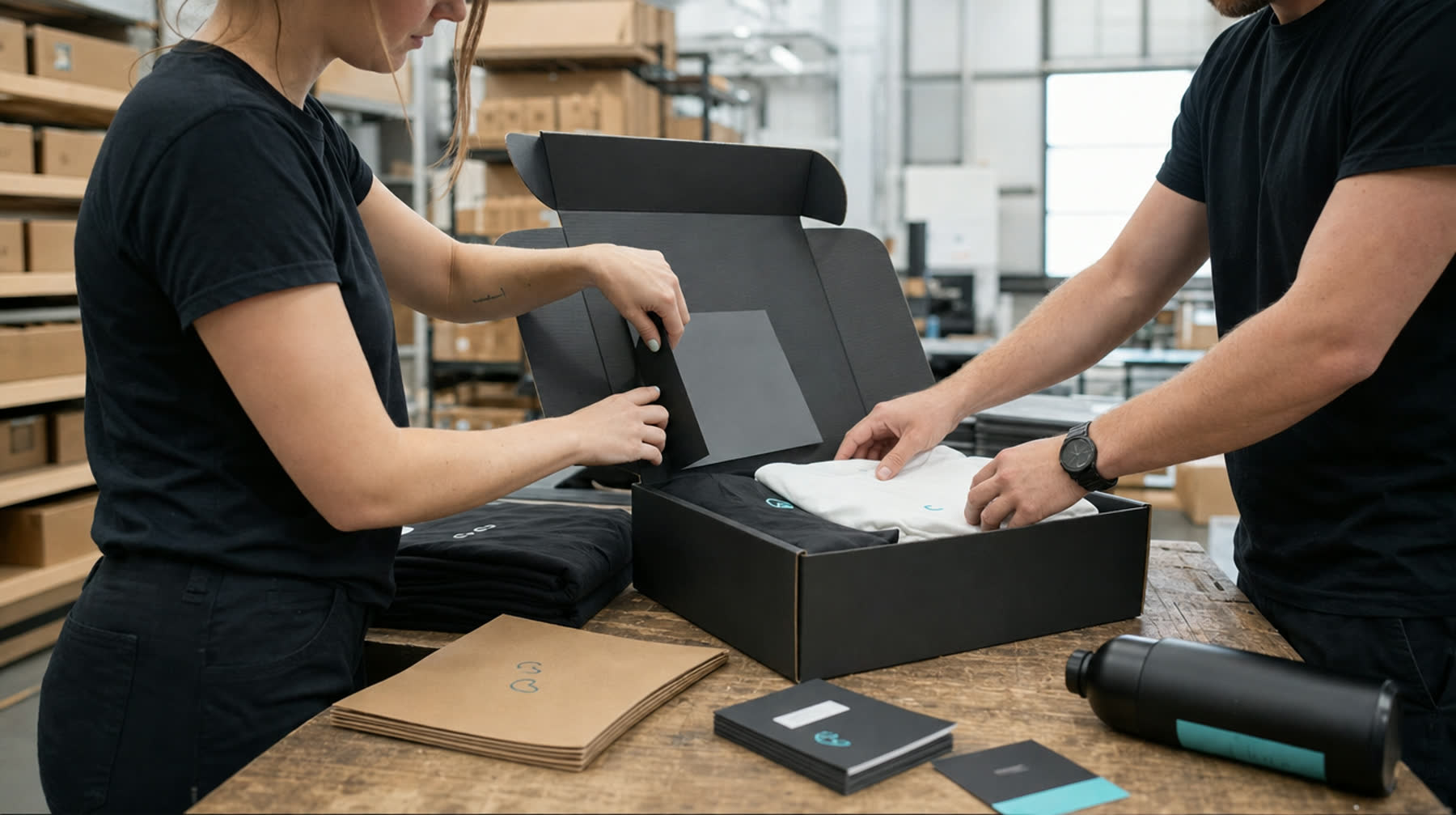
Filling, sealing and sending boxes is labour and postage. One bulk delivery costs far less than individual sends to home addresses, and storage with staged call-off sits somewhere in between.
Where to save without it showing
Size the box to the contents so it needs less board and void fill. Pick one finish and do it properly. Use a rigid box for the people who'll notice and a folding box for the wider list. And brief early: rushed production limits the options and rarely costs less.